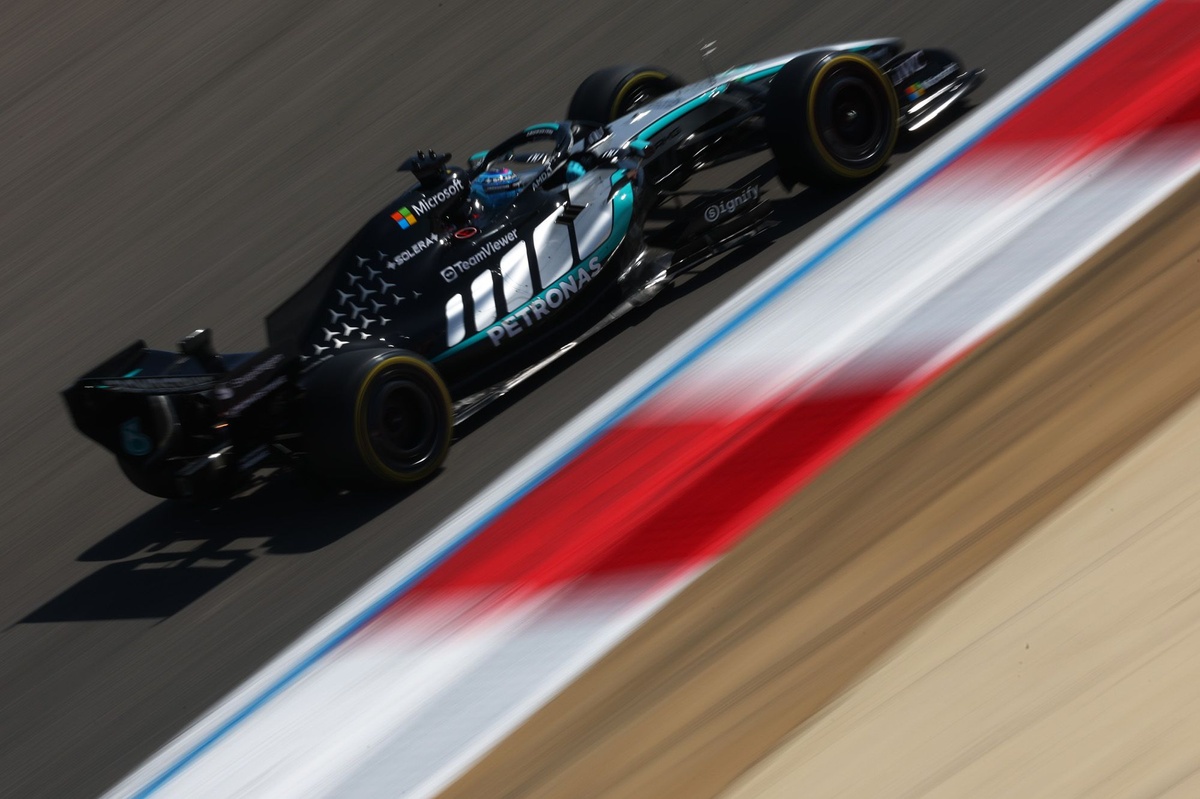
The Fédération Internationale de l'Automobile (FIA) has recently proposed a compromise regarding engine regulations in Formula 1, specifically addressing the long-standing controversy over compression ratios. This move comes as F1 prepares for a new era, with technical regulations evolving to enhance competition and sustainability.
Historically, the compression ratio controversy centered around the interpretation and enforcement of engine specifications, which affected teams' performance and compliance. Mercedes, a dominant force in recent seasons, has been at the center of this debate, raising concerns about fairness and consistency in regulation enforcement.
The FIA's compromise aims to clarify and standardize engine parameters, potentially leveling the playing field. However, critics argue that such concessions might favor certain teams over others, especially those with more advanced or flexible engine designs like Mercedes. The question remains whether this solution truly balances the interests of all competitors or if it inadvertently advantages some at the expense of others.
Mercedes and other F1 teams have expressed mixed reactions. Some see the compromise as a necessary step to prevent future disputes and ensure technical stability. Others worry that it could limit innovation or create loopholes that teams might exploit to gain an unfair advantage.
From a regulatory perspective, the FIA's decision reflects a desire to draw a definitive line under the controversy and focus on racing rather than technical disputes. Yet, the impact of this compromise on the competitive landscape remains to be seen, especially as teams adapt to the new rules and seek to optimize their engines within the revised framework.
In the broader context, this development underscores the ongoing tension in Formula 1 between regulation, innovation, and fairness. As the sport moves forward, stakeholders will closely monitor how these regulatory changes influence team strategies, performance, and the overall integrity of the competition.
Ultimately, whether the FIA's engine compromise is a fair solution for Mercedes and its rivals will depend on its implementation and the subsequent evolution of team performances. The coming races will be a test of how well this compromise balances technical regulation with competitive fairness in the high-stakes world of Formula 1.